

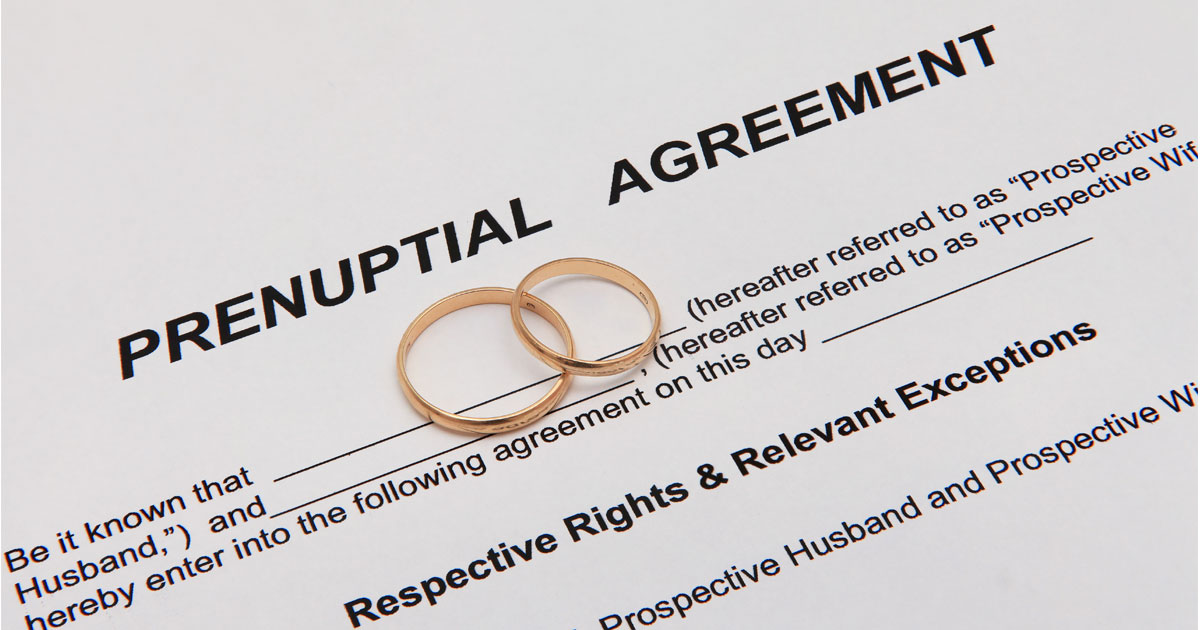
The buzz of excitement when planning a wedding feels like none other, but couples often tuck one conversation behind the seating charts and cake tastings: The prenuptial agreement. Talking about prenups might feel unromantic, but a little planning now can save a lot of heartache later.
What Is a Prenuptial Agreement?
Think of a prenup as a roadmap for your finances: A written contract that you sign before tying the knot that explains who owns what, how the court should handle debts, and what happens to your assets if the marriage ends in divorce.
In New Jersey, these agreements follow the Uniform Premarital Agreement Act (UPAA), so as long as you follow the rules, a prenup can stand up in court.
What Can You Include in a New Jersey Prenup?
New Jersey lets you customize your agreement, but here are some common topics:
- Financial Assets and Property Division: Who keeps what property or investments, how you and your spouse will manage your joint assets during your marriage, and how the court should split your marital belongings if you separate.
- Spousal Support and Maintenance: Who should pay what support payments to which spouse, and who should pay what division of living costs during the marriage.
- Estate Planning Considerations: Naming life insurance beneficiaries and protecting inheritance for kids from earlier relationships.
Notably, you cannot use a prenup to decide child custody or child support—the courts always make this decision based on what they deem best for the children.
What Makes a Prenup Valid in New Jersey?
To ensure your prenup holds up, you need to follow these steps:
- Write It Down: Both partners must sign a written agreement. No handshakes or verbal promises allowed.
- Share Finances Openly: Each person should fully disclose their assets and debts. Secrets can invalidate agreements.
- Sign Voluntarily: Neither partner should feel pressured or rushed. Courts will look closely for any hint of coercion.
- Get Independent Advice: Talk to your own lawyer, and if one person skips legal counsel, the document should record that choice.
Who Might Want a Prenuptial Agreement?
Prenups do not just help the ultra-wealthy. Partners who have one partner bringing significantly more income to the marriage, spouses who have businesses to protect, blended families with separate inheritances, professionals (like doctors or lawyers) with special income considerations, and anyone with debts or loans may benefit from prenuptial agreements.
How Does New Jersey’s “Equitable Distribution” Play In?
Without a prenup, New Jersey courts divide marital property fairly—though not always equally—based on several factors. They will take into account the length of your marriage, each spouse’s income, and their contributions to the marriage, including homemaking.
When Should You Start?
Give yourselves at least three to six months before the wedding. That way, you have time to gather financial documents, talk through priorities, consult with your lawyers, revise the agreement as needed, and sign without any last-minute stress. If you wait until the last minute to sign a prenuptial agreement, the court may interpret that as a signature under duress.
Get Professional Legal Guidance Regarding Prenuptial Agreements with the Cherry Hill Divorce Lawyers at Burnham Douglass
Creating a prenup can feel daunting, but you do not have to do it alone. The Cherry Hill divorce lawyers at Burnham Douglass have helped dozens of New Jersey couples craft agreements that fit their unique situations. With more than 70 years of combined experience and over $10 million secured in settlements and verdicts, our legal team will approach your case with professionalism and compassion. Call 856-751-5505 or contact us online for a free consultation. With office locations in Marlton and Northfield, New Jersey, we proudly serve clients in South Jersey, including Marlton, Evesham Township, Cherry Hill, Camden County, Burlington County, Northfield, and Atlantic City.